
How to build a predictable new-customer pipeline
A predictable pipeline comes from a defined target list, a repeatable outreach routine and a visible funnel with a named owner for every lead, not from the promoter's network alone. Choose accounts where you have a clear edge, map their buyers, reach them through several channels, pitch with proof and review the funnel weekly.
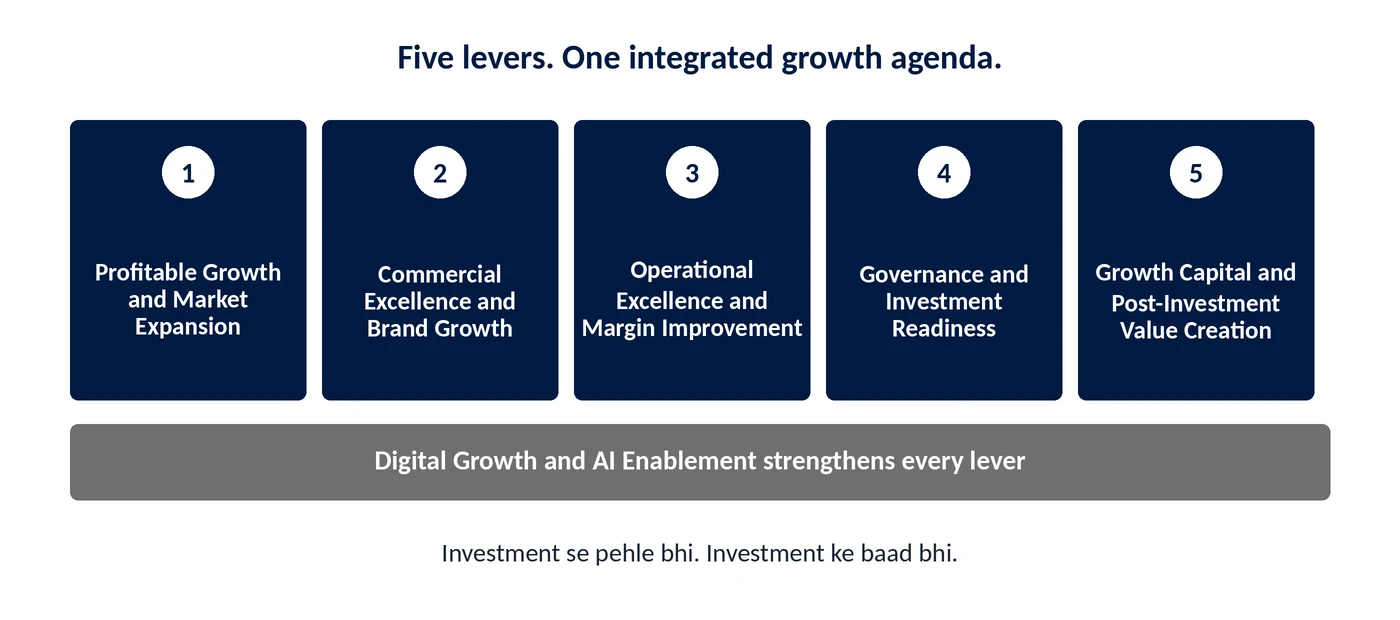
Build it in five steps
- Choose targets. Pick segments and named accounts where your product has a clear edge.
- Map the buyers. Identify decision-makers, influencers and procurement for each account.
- Run outreach in several channels. Use warm referrals, structured calling and email, events and partner data lists. Track the source of every lead.
- Pitch with results. Lead with outcomes and proof, not a capability list.
- Manage the funnel. Define stages, name an owner for every lead and review weekly.
A funnel that works
A simple funnel runs from prospect listed, to contacted, to meeting held, to proposal sent, to terms agreed, to order. Each stage has a definition so two people classify a lead the same way. Won, lost and on hold are tracked as a separate status so the funnel stays honest.
Common failures
- No named owner for each lead
- No stage definitions
- Follow-ups that depend on memory
- Proposals that read as brochures
Where the promoter fits
In most promoter-led manufacturers the best relationships sit with the promoter, and that is an asset, not a problem. The goal is not to take the promoter out of selling. It is to stop the pipeline depending on the promoter's memory and calendar. The promoter opens doors at the senior level; the sales team owns everything after the first meeting, and the funnel review shows both of them where each account stands. Over time the promoter's role in that review shifts from chasing deals to unblocking them.
A useful test: if the promoter took a month off, would you know which ten deals are closest to closing and what the next step on each is? If the answer is no, the pipeline is not yet a system.
What to measure
- Leads per month by source
- Conversion between stages
- Average cycle time
- Win rate
Senior-level access matters more than procurement access, so weight outreach towards decision-makers. See GOP's New Business Development lever.
Common mistakes
- Relying on the promoter's phone calls as the entire pipeline.
- Treating every enquiry as equal, with no qualification step.
- Sending the same brochure to every prospect.
- Reviewing the pipeline only when sales are already short.
A checklist you can use this week
- Write a list of twenty named target accounts and why each is a fit.
- Define funnel stages and what must be true for a lead to move between them.
- Assign a primary owner to every live lead.
- Prepare a one-page pitch that leads with an outcome and proof.
- Hold a thirty-minute weekly funnel review with fixed agenda and action list.
Frequently asked questions
How many leads do we need?
Work backwards from your revenue target using average order value, win rate and sales cycle to find the number of qualified leads required each month.
Can referrals alone sustain growth?
Referrals convert well but are hard to scale. They work best alongside a structured outbound routine and a visible funnel.
When should we add telecalling?
Once you have a defined target list and a clear one-page pitch. Calling without either wastes effort and damages first impressions.
Related reading
Talk to GOP
Share where your business is today and where you want it to be. We will tell you honestly whether and how we can help.